
Ever wondered why you feel “brain fog” after a heavy meal? Science now confirms that your gut is your “second brain.” The communication between your digestive system and your brain happens 24/7, affecting your mood, focus, and energy levels.

The Vagus Nerve: The Superhighway of Information
The Vagus nerve is the longest nerve in your body, acting as a direct communication line between your gut and your brain. When your gut is inflamed due to a poor diet, it sends “stress signals” to the brain, resulting in anxiety and lack of concentration. Keeping this pathway clear is essential for peak mental performance and emotional balance.
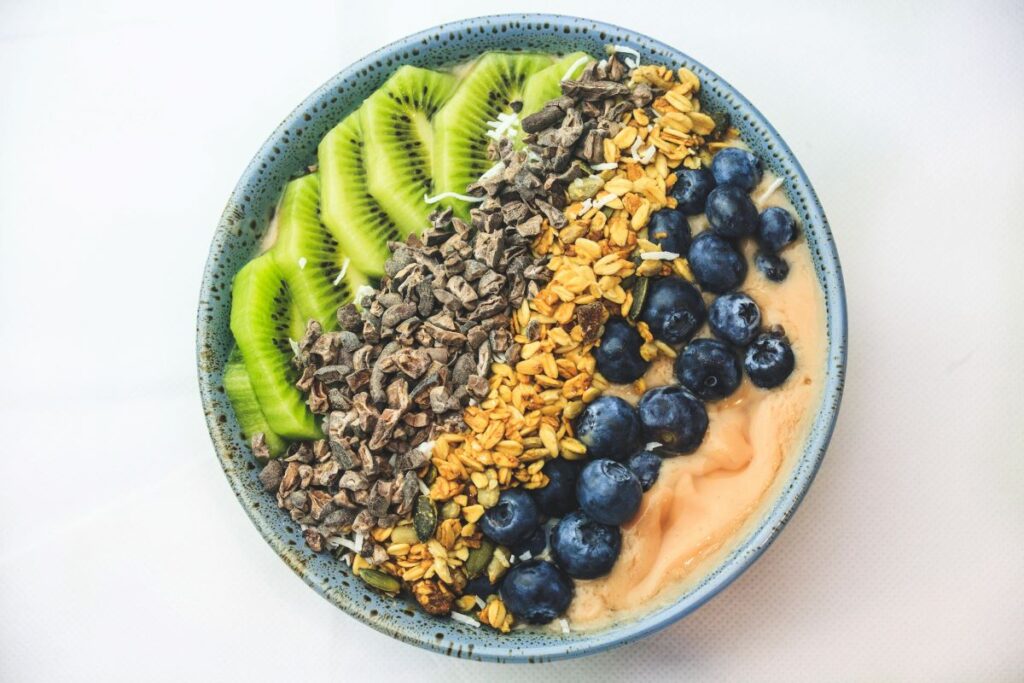
How Your Microbiome Prevents Mental Fatigue
Inside your digestive system, trillions of bacteria—known as the microbiome—work to produce neurotransmitters like serotonin and dopamine. In fact, about 95% of your body’s serotonin is produced in the gut. If your microbiome is out of balance, your brain feels the impact immediately through fatigue, irritability, and decreased productivity.
3 Quick Tips to Improve Your Brain-Gut Health Today
- Prioritize Fermented Foods: Incorporating natural probiotics like Greek yogurt, kefir, or kimchi helps maintain a healthy bacterial balance, directly supporting your cognitive functions.
- Increase Fiber Intake: Fiber acts as a “prebiotic,” feeding the good bacteria in your gut. Vegetables, fruits, and whole grains are essential for a steady supply of energy to your brain.
- Manage Stress Levels: High cortisol levels can disrupt your digestion. Practicing mindfulness or deep breathing for just 10 minutes a day can improve both your gut health and your mental clarity.
Conclusion
Your brain and your gut are inseparable partners in your health journey. By making small, conscious choices about what you eat, you aren’t just improving your digestion—you are upgrading your brain’s capacity to think, focus, and thrive in a demanding world.
Sorry to disturb you, I know random messages can be annoying. I was able to find your new website because domain registration information is made public.
I just wanted to ask why you haven’t finished your website yet. It’s been online for a few weeks, is there something stopping you?
I noticed the website design and layout are there but, a lot of the website content is missing mostly sample text is used everywhere.
I’m Peter Knight I do amazing website copywriting. I know you don’t know me or trust me but, I want to prove to you that I’m a great copywriter by volunteering to write content for your website for FREE!
I’m offering to write one(1) full page of website copy between 500-1000 words.
You may be wondering if there is a catch to this, to be honest I do this to strengthen my writing skills and sell my copywriting services. I usually charge anywhere from $100+ per page or $0.05-0.10 depending on the complexity.
If interested, just reply back by email.
P.s. I can present you samples of my work too 🙂
Olá Peter,
Fiquei feliz em receber o seu comentário e sua oferta parece boa.
No entanto, eu criei este site para postar páginas presell mas não consegui dar seguimento ao projeto.
então, neste momento, nao tenho como aproveitar a sua ofereta.
Agradeço imensamente a sua atenção.
Um abraço
Hi,
I came across cjhealthhub.com and wanted to run something by you.
My team recently finished an 81-page YouTube guide specifically for website owners—whether you’re launching from scratch or trying to scale an existing channel in 2026.
We’ve just moved the guide to a “Pay What You Want” model. It’s valued at $28, but I wanted to make sure it’s accessible to fellow site owners regardless of their budget. You can grab it for the full price, the price of a coffee, or even $0 if things are tight right now.
If you’d like to see if the system fits your plans for this year, you can check it out here: https://furtherinfo.info/youtube
Krista
Olá Krisya,
Fiquei feliz em recebr seu contato e sua oferta.
No momento estou com este projeto parado.
Vou verificar o link que você indicou.
Muito obrigado