

Longevity isn’t just about genetics; it’s about the small choices we make every single day. Recent studies on “Blue Zones”—regions where people live significantly longer than average—show that how you start your morning can dictate your body’s inflammatory response and energy levels for the next 16 hours. Here are five simple habits practiced by the world’s longest-living people.
1. Hydrate Before You Caffeine
Most Americans reach for coffee the moment they wake up. However, your body loses water during sleep. Centenarians often start their day with 12 to 16 ounces of room-temperature water. This “internal shower” jumpstarts your metabolism and flushes out toxins before your first cup of joe.
2. The 15-Minute Natural Light Rule
Exposure to natural sunlight within 30 minutes of waking up is crucial for your circadian rhythm. It triggers the morning cortisol peak (the good kind of energy) and sets a timer for melatonin production at night. Even on cloudy days, stepping outside for 15 minutes can drastically improve your sleep quality and mood.

3. Low-Impact Movement
You don’t need a high-intensity workout at 6:00 AM. In places like Okinawa or Sardinia, elders engage in “functional movement”—stretching, gardening, or a brisk walk. This low-impact activity keeps joints healthy and prevents the stiffness associated with aging.
4. Eat a “King’s Breakfast” High in Fiber
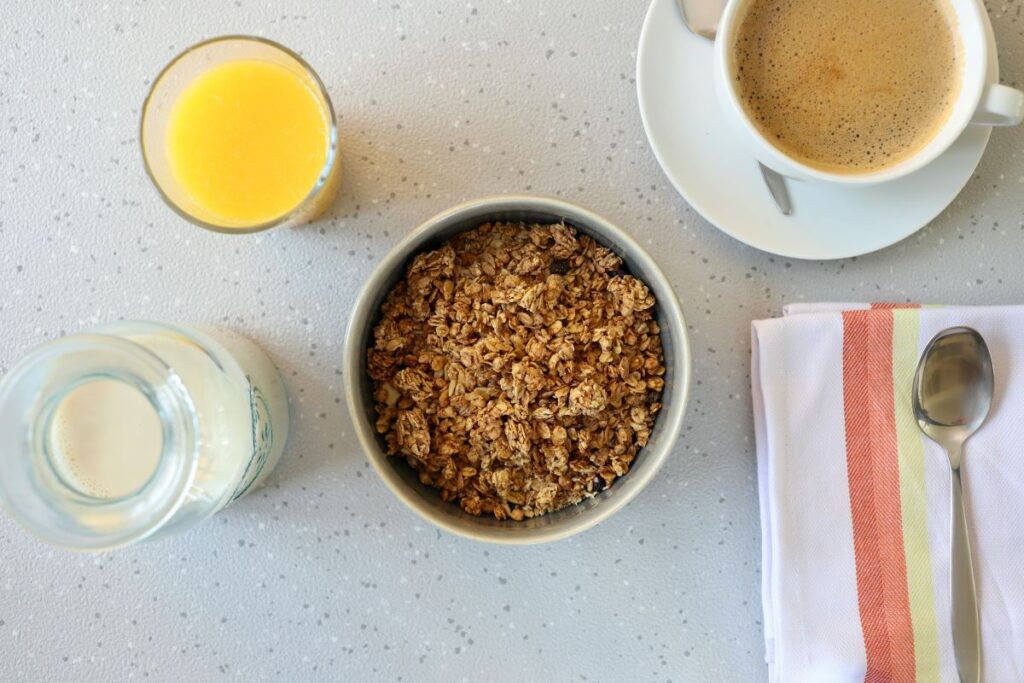
Forget sugary cereals. The secret to long-term energy is fiber and protein. Whether it’s oatmeal with nuts or a savory breakfast with beans and greens, a high-fiber start prevents blood sugar spikes. This protects your heart and keeps your brain sharp until lunch.
5. Early Social Connection
Loneliness is as dangerous as smoking 15 cigarettes a day. Many long-lived individuals start their day with a quick chat with a neighbor, a phone call to a loved one, or even a brief interaction at a local coffee shop. That small hit of oxytocin lowers stress levels and boosts the immune system.
Living to 90 and beyond isn’t about a single “magic pill”—it’s about consistency. Which of these habits will you start tomorrow morning? Your future self will thank you.